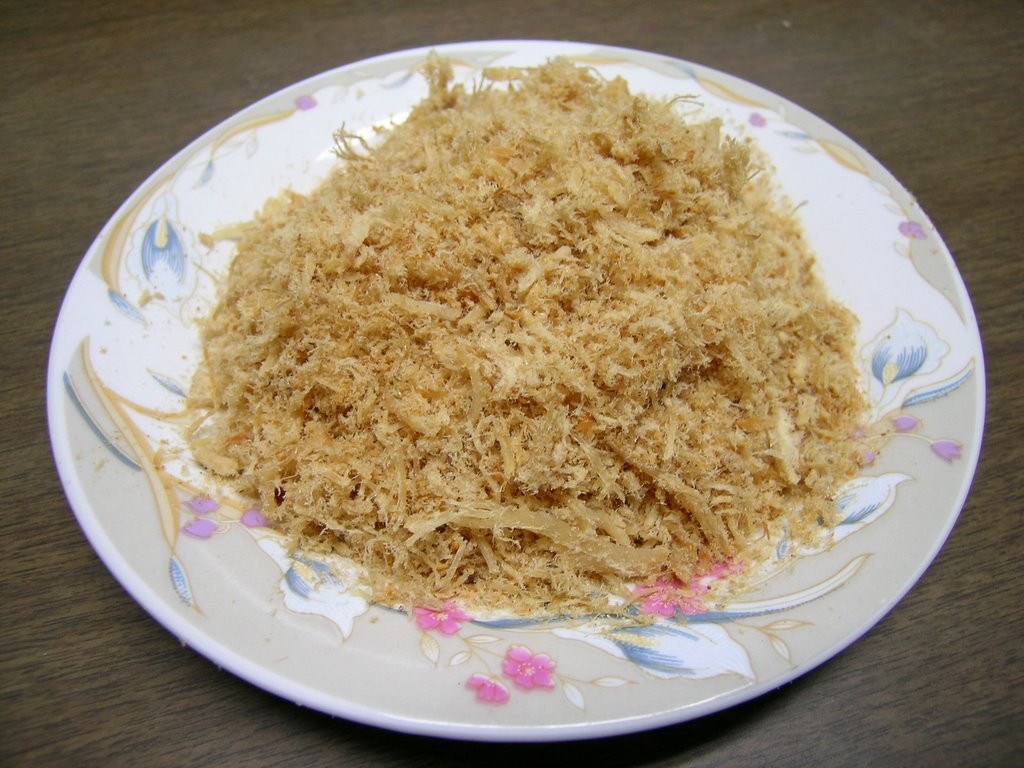
Traditionally meat floss is made from pork or fish, turkey meat floss is a “hybrid” of the traditional that my family makes with leftover thanksgiving turkey. The turkey in this recipe can be replaced with chicken, pork, or fish as the process is the same no matter what type of meat you use.

Ingredients:
-Cooked Turkey Meat (preferably breast meat)
-fish sauce (to taste)

Tools:
-a ceramic bowl
-a serving tray
-a wok

What to Do:
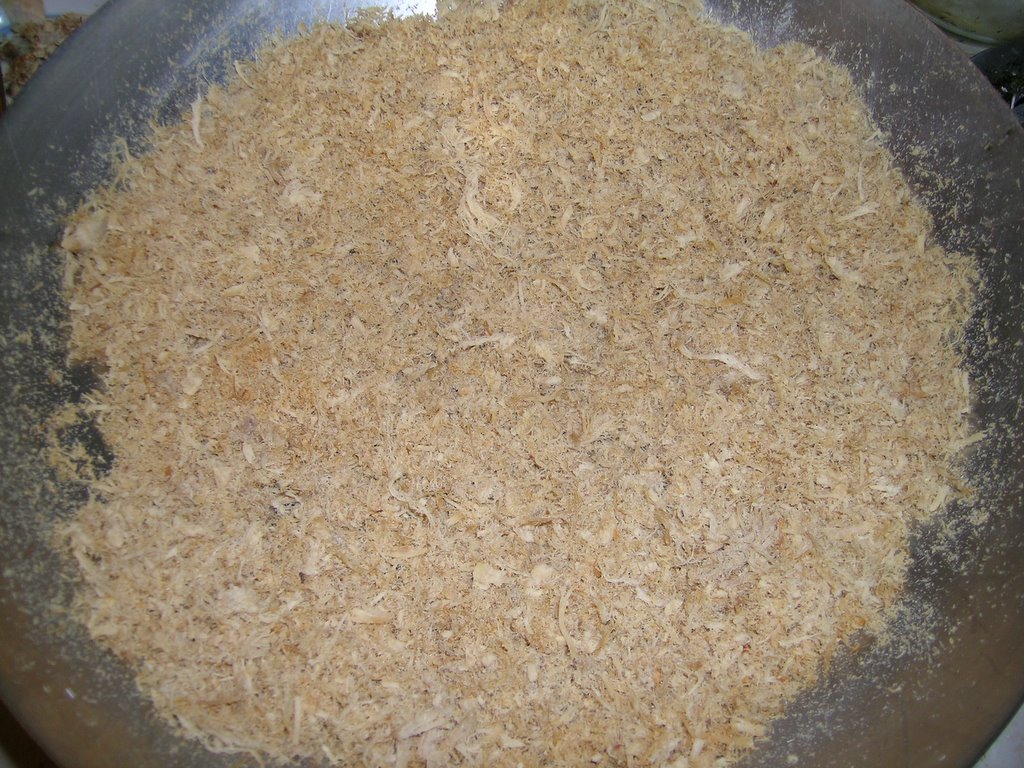
Shred the turkey with your fingers into chopstick size strands. Place shredded turkey on the serving tray (or a flat surface) and use the bottom of a ceramic bowl to “rub” the meat until its fine and fluffy (pick a spot, use the ceramic bowl to push down on the turkey and "twist" your arm).

Next, add fish sauce to taste and stir fry the turkey over medium-high heat until dry.

Note:
If thanksgiving turkey is not on hand, replace with roasted chicken that’s sold at the supermarket. Make sure there are no bones, tendons, fat, or skin in the meat being used. Whatever type of meat you decide on using, make sure its fork tender. The rough unglazed bottom of the ceramic bowl is what helps “fluffs” the meat, thus, ceramic is required, do not replace the bowl with something smooth (i.e. plastic or glass bowls). Serve with bread, rice, sweet-rice, congee, rice ribbon rolls, or use to make meat floss buns, etc….

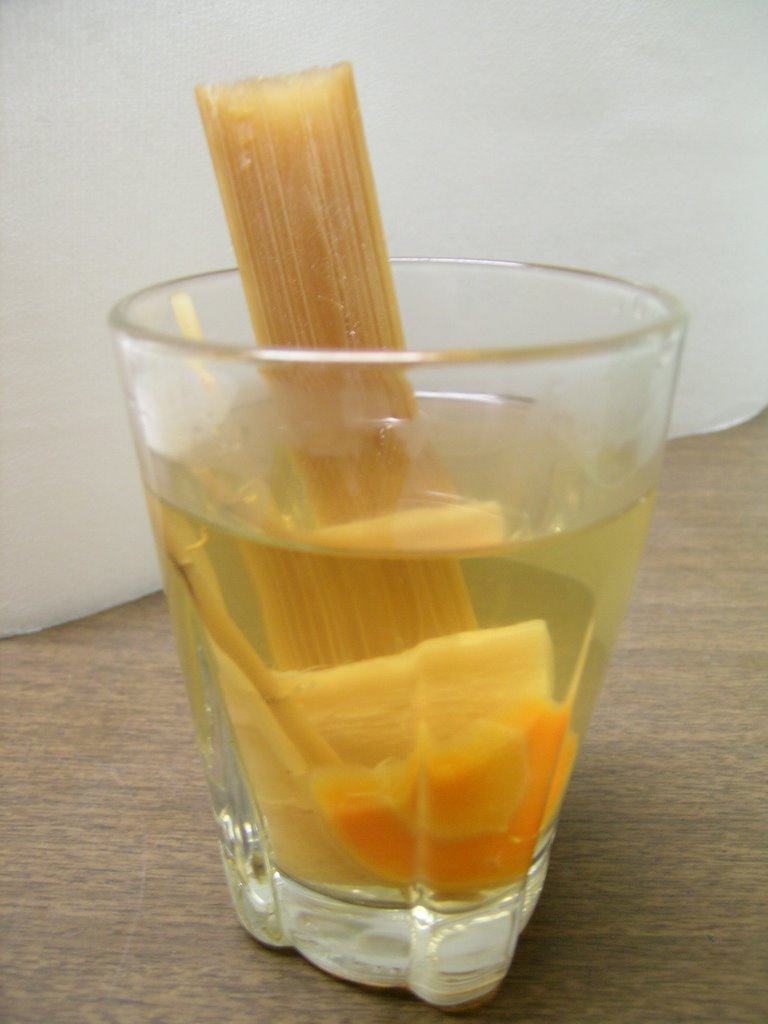
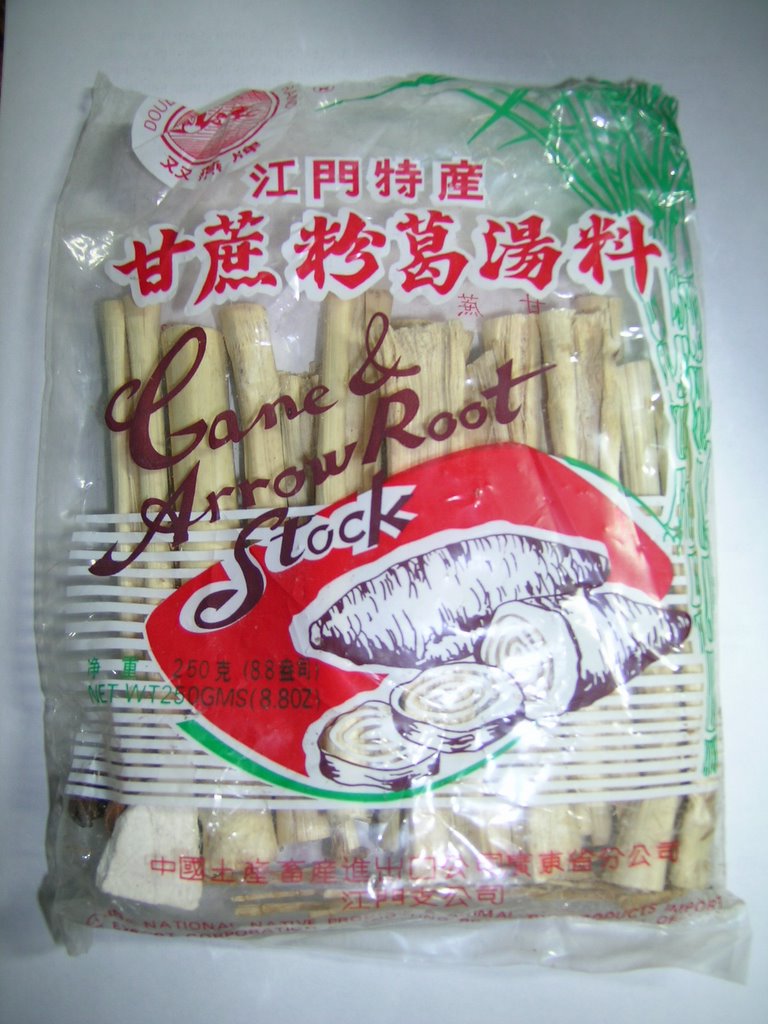
This tea is made from a specific type of sugarcane used to “cleanse” your body of toxins or “hot energy”…kind of hard to explain in english terms lol. Anyways they’re sold dry in most Asian grocery stores prepackaged with the other required ingredients such as carrots, arrow root, and imperatae (which I believe is a verity of crabgrass). In Vietnamese terms, the sugarcane = Mía Lao, Carrots = cà-rốt, arrow root = sắn dây, imperatae = rể tranh. Imperatae is actually a type of grass weed that thrives in Seattle’s cool climate. I have no problem finding abundance of them right in my backyard.

Ingredients:
-1 package of “Cane & Arrow Root Stock” (250g, see picture below)
-3 liters water (12 cups)
-100g rock sugar (adjust to your liking)

What to Do:
Rinse everything in the “Cane & Arrow Root Stock” package. Add water and simmer for a few hours (at least 2). Add sugar and serve hot or cold.


Ingredients:
-turkey meat (fresh or from leftover roasted turkey, use as much as you like)
-2 large carrots
-1/2 medium onion
-4 stalks of celery
-1/2 tsp garlic salt
-1 tbs dried parsley flakes
-1 tbs dried pepper flakes (optional)
-2 tbs butter
-1 tsp flour
-salt, pepper to taste
-pasta

What to Do:
Boil pasta according to directions on package. Toss with 1 tbs butter. Chop onion, and celery. Peel and slice the carrots. Add 1 tbs butter into a pan and add flour to make a roux. Add onions and sweat until transparent, add garlic salt, parsley and pepper flakes, and carrots. Cook over medium heat until for about 10 mins, add water if necessary. Lastly add turkey and celery cook for another 5 mins before seasoning with salt and pepper. Serve with pasta.

Note:
A convenient meal for leftover thanksgiving turkey.

Ingredients:
-12 ripe bananas
-1/2 tsp salt
-200g sugar (adjust to desired sweetness)
-1kg (4 cups sweet-rice aka glutinous rice)
-1 can coconut milk (400ml)
-200g shredded coconut (optional)
-100g mung beans (peeled and split kind, optional)
-pandan leaves (optional)
-banana leaves
-tooth picks

Getting Ready:
Rinse and soak rice in coconut milk and enough water to cover the rice by about 4 inches for at least 4 hours. Roast mung beans in a pan, stirring constantly until brown. Peel bananas and gently mix with salt and 100g sugar. Wash and wipe dry the banana and pandan leaves. Cut banana leaves into 12-15” long pieces. Cut pandan leaves to the length of the bananas. After 4 hours drain the rice and mix with 100g sugar, roasted mung beans, and coconut.

Wrapping:

Lay 2 pieces of banana leaves on a flat surface, add about 4-5 tbs of the rice. Lay a banana on top and cover with more rice. Top with a pandan leaf before folding the top and bottom sides over the rice to completely cover it. Secure the ends with toothpicks.

Steaming and Grilling:
Steam on high heat for about ½ hour, broil for about 10 mins (or grill) or just until the leaves begin to brown. Serve warm.

Note:
Serve with coconut milk and crushed toasted peanuts for more pleasure. Can add 2 tsp pandan extract to rice if pandan leaves are not available. If banana leaves are not available; use foil instead. However, remove the foil before grilling. These can be made ahead of time through the steaming process. Freeze thaw and grill right before serving. If done correctly the banana should have a redish-violet color.

Ingredients:
-1 ½ lb chicken
-2 cloves of garlic
-Thai chilies (optional)
-2 tbs curry powder
-2 bay leaves
-1 stalk of lemongrass
-2 carrots
-1 medium onion
-2 medium yams or potatoes
-1/2 can coconut milk or yogurt (200ml)
-1/2 can milk (measure using coconut milk can = 200ml)
-salt to taste

What to Do:
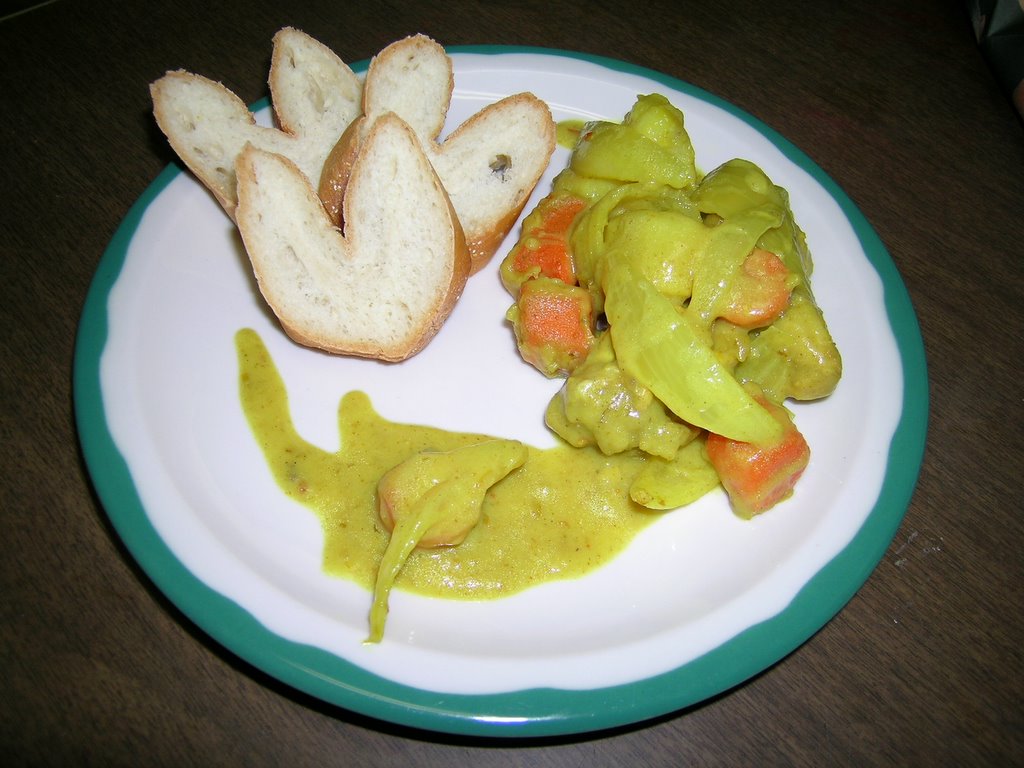
Cut chicken into bite size pieces. Peel carrots and potatoes and cut them into bite size pieces also. Cut onions into wedges. Crush lemongrass with the back of a knife and cut into 2 inches long pieces. Mince garlic and chilies. Add about 1 tbs oil into a pot and fry garlic and chilies until fragrant. Add chicken, carrots, potatoes, curry powder, bay leaves, and lemongrass, stir fry for about 5 mins. Add in fresh milk and enough water to cover the goodies. Simmer for 20 mins, add onions, coconut milk and salt to taste. Remove lemongrass and bay leaves before serving.

Note:
The curry should have a “thick and creamy” texture (liquid shouldn’t be too watery). All flavors (i.e. curry, coconut, lemongrass, bay leaf) should be balanced. Serve how with either indian rice (recipe follows), bread (for dipping) or over noodles (rice vermicelli) bean sprouts and fresh herbs.

Indian Rice: (Cơm Nị)
-2 cups rice
-coconut juice or water
-1 tbs coconut milk
-1/2 tsp curry powder or turmeric powder
-1/2 cup golden raisins
-1 bay leaf
-1 clove

**Rinse rice and mix with curry powder, raisins, bay leaf, and clover. Add enough coconut juice or water (amount depends on rice). Cook rice as usual, add coconut milk just before serving.

Although they appear similar to what many of us would call a doughnut, these pastries are made with glutinous rice flour thus, the texture and flavor is nothing like the western doughnut. Its name “bánh vòng” literally means round pastry, as the word vòng basically means round.

Ingredients:
-300g glutinous rice flour
-100g rice flour
-50g all purpose flour
-2 ¼ tsp baking powder
-water
-sugar
-lime juice or baking soda
-toasted sesame seeds

Making the Dough:
Mix together flours, baking powder and gradually add water. Mix to form a smooth pliable dough (much the texture of play dough). Rest for 10 mins.

Shaping:

Method 1:

Take a piece of dough, about 1 ½ tbs and shape it into a long log. Then, bring the two ends together and pinch.

Method 2:

Roll the dough out on top of a piece of plastic wrap, about ½ thick. Stamp out pastries with a doughnut cutter.

Finally:
Deep fry in hot oil until the pastries are golden and float to the top of the oil. Met a little sugar (about ½ cup) with about 1 tsp of water in a pot until slightly golden, add a few drops of lime juice or a pinch of baking soda. Stir and immediately spoon and “glaze” melted sugar over the surface fried doughnuts and sprinkle on a few sesame seeds.

Note:
Be very careful when adding lime juice or baking soda into sugar as it will “sizzle”. Melted sugar sets very quickly therefore, only melt enough sugar to glaze 4-5 doughnuts at a time (melt as you go along glazing; fry all of the doughnuts before glazing).

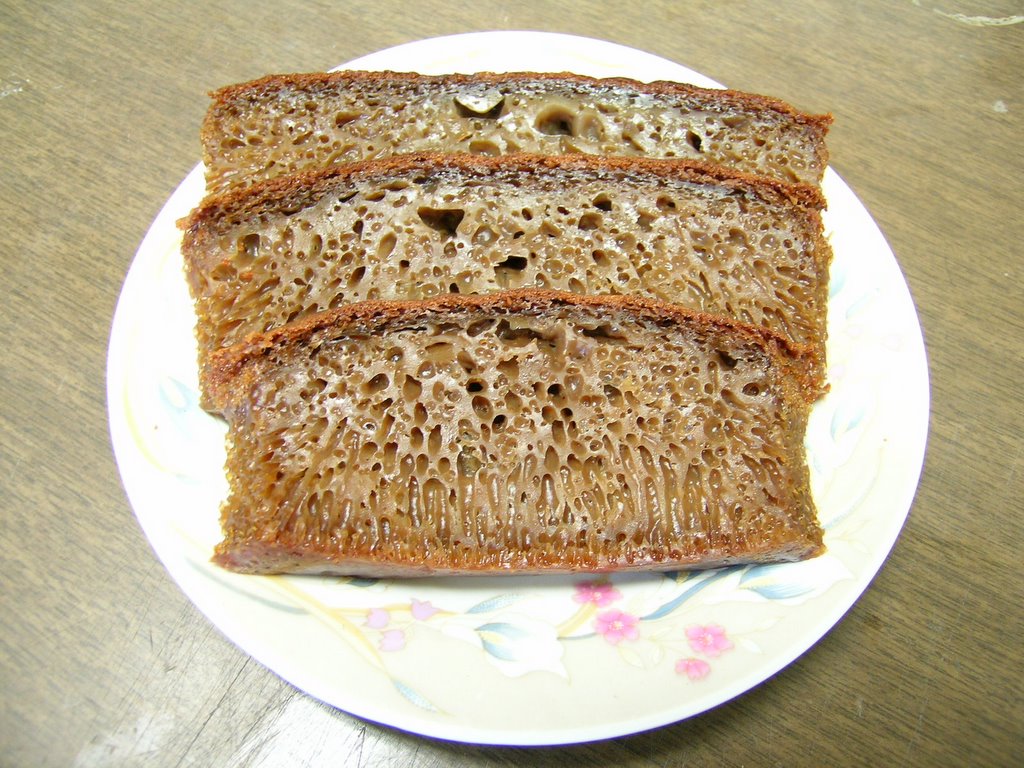
Literally translated, the name means “liver cake”. Don’t worry this cake contains no liver; it’s only called that because, depending on how you make it, the appearance should somewhat resemble a piece of liver. Don’t let the looks and name scare you into missing out on some really yummy eats! This cake is served cold, and has a texture much like western flan. The flavor is rich and creamy due to the coconut milk, with a hint of star anise, coffee, chocolate, and brown sugar.

Ingredients:
-12 eggs (approximately 600g)
-1 tsp tapioca starch
-2 1/4 tsp baking powder (not double acting)
-pinch of baking soda
-1 tsp instant coffee or coffee flavor (extract)
-1 tsp baking chocolate
-1 can (400ml) coconut milk
-8 star anises
-375g Chinese brown sugar (aka bar sugar) or dark brown sugar

What to Do:
Boil together sugar, coconut milk, and star anises until sugar dissolves, cool completely before removing star anises. Lightly beat eggs with baking powder, baking soda, tapioca starch, chocolate and coffee. Add syrup mixture and mix evenly. Grease a 9 inch cake pan and preheat (pan only, no batter) at 350’F for 5 mins, before pouring in batter. Bake at 350’F for 30-35 mins. Cool and serve cold.

Notes:
The above recipe renders a cake with “short” tunnels and a texture similar to Flan. If a higher tunnel affect is desired, simply double the amount of baking powder (to 4 ½ tsp) and increase the amount of tapioca starch to 4 heaped tbs or up to 8 heaped tbs (depends on how chewy you like the texture to be).

Reference:
Cute from www.datviet.com
For the Rice Cakes:
-2 parts rice flour
-1 part corn or tapioca starch
-2 parts boiling water
-3 parts warm water

*Measurements by volume.
**Mix together rice flour, with starch and warm water to form a smooth batter. Stir in boiling water and rest for ½ hour. Grease small bowls and steam empty bowls for 1 min. pour in batter and steam for 5 mins our until cooked.

Toppings:
Onion Oil:
Use the onion as a topping and the oil to make the mung beans.

Mung Beans:
-100g mung beans (peeled and split, approximate)
-1/2 tsp salt
-3 tbs onion oil

**Rinse, soak and cook beans until tender, mash and add salt along with onion oil mix well. Beans should be spread able, add more oil if necessary.

Tôm Cháy (Ground Shrimp Powder)

To Serve:
Arrange a few rice cakes on a plate, spread a little mung beans on each, drizzle with the onion, and ground shrimp. Ladle on some fish sauce and into the mouth it goes each cake goes.

Note:
There are many styles of bánh bèo. The recipe above if for the style commonly found in Saigon and southern parts of Vietnam.


Ingredients:
-300g rice flour
-3 tsp double acting baking powder
-2 tsp yeast + 3 tbs warm water
-250g coconut milk
-150g sugar
-250g sweet potato (can also use taro)
-1 egg (approximately 50g)

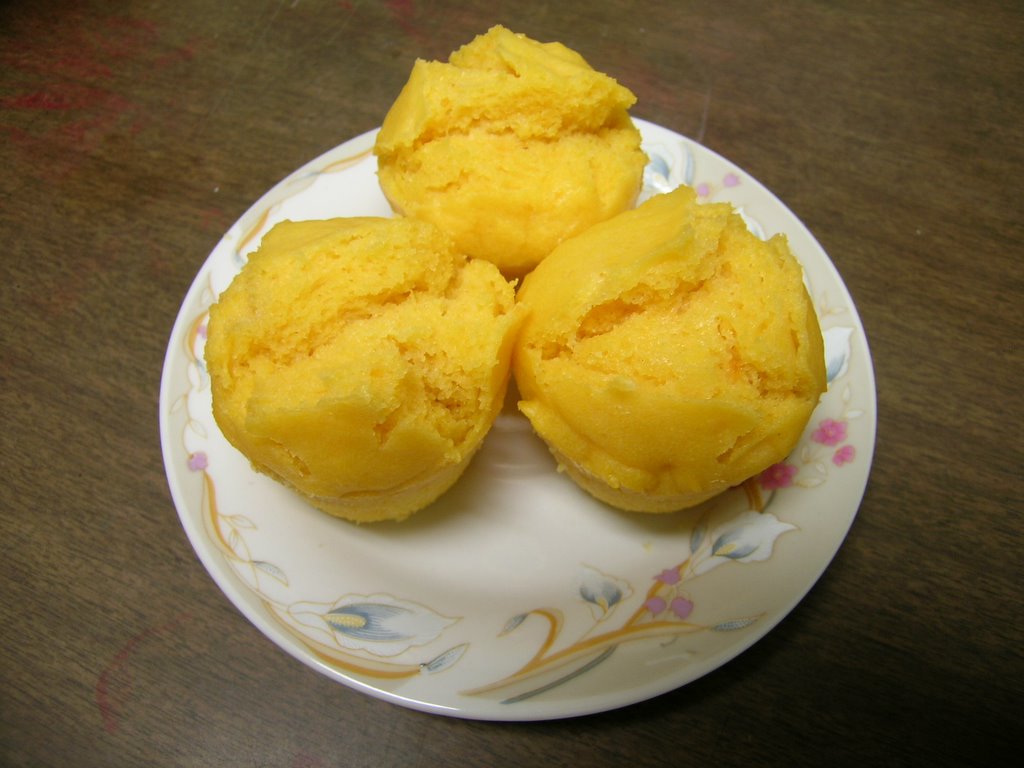
**Steam and mash potato, dissolve yeast in water. Put everything in a mixing bowl and beat with a cake mixer until smooth. Prove for 1 hour or until double in volume. Give the batter a quick stir and steam over high heat for 10-15mins.

Note:
FYI, don’t be surprised if the batter turns out very thick….its supposed to be thick.


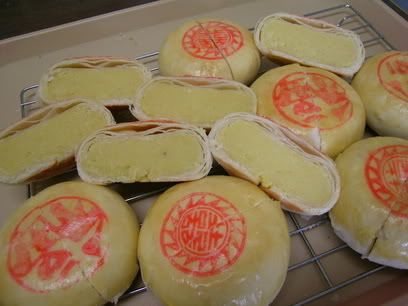
Originally a Theochew pastry; the Vietnamese “adapted” version shares the same characteristics as its Theochew parent, except for the addition of durian in the filling. The pastry should be tender, made up of many paper thin layers, which are slightly sweet, and can easily be peeled off one by one. The Vietnamese name for this pastry, “bía or pía” comes from the Theochew general word for pastry which is “pia”. Those from Saigon call it “bánh bía” while those in Sóc Trăng or Vũng Thơm would call it “bánh Pía”. Other Vietnamese names include “bánh lột da” which literally translates to “peeling skin pastry”. Those from the Bến Tre region of Vietnam call it “bánh bao chỉ” which is the name for Mochi elsewhere in Vietnam.

The Oil Mixture for Making Pastry:
-90g lard
-90g oil

**Stir together over high heat until the lard completely melts. Cool completely before using to make pastries. Can also make pastries with 100% oil, but the combination of lard and oil gives the pastry much better flavor and texture.

Water Dough:
-250g bread flour
-50g wheat starch
-40g sugar
-100g “oil mixture”
-120g water
-1/2 tsp baking powder

**Mix together bread flour, wheat starch, and baking powder. Stir together oil, water and sugar, and add to premixed flour. Knead to form a smooth dough (about 10 mins). Rest for ½ hour and divide into 12 portions weighing about 50g each.

Oil Dough:
-75g tapioca starch
-75g bread flour
-75-80g “oil mixture”

**Mix everything together and divide into 12 portions weighing approximately 20g each.

Filling:
There are many different versions of fillings, pick one of the following.

Vietnamese Style (Mung beans and Durian)
-450g mung beans (peeled and split)
-350g sugar
-100g oil
-150 koh fun (cooked glutinous rice flour)
-200g durian flesh
-100g pork fat + 50g sugar (optional)
-12, 24 or 36 salted egg yolks + 1 tbs cooking wine (optional)

**A) Boil pork fat for 5 mins, and cut into match stick size pieces. Mix with 50g sugar and let rest for at least ½ hour before using.

B) Mix egg yolks with wine and steam for 15 mins. 1 yolk in each pastry = 12 yolks total, 2 in each pastry = 24 yolks total, etc….

C) Rinse and soak mung beans for at least 4 hours. Cook until tender and mash. Add sugar and durian. Stir fry over medium heat for about ½ hour. Add pork fat (A). Mix together koh fun and oil add to bean mixture. Stir fry for another 5 mins or until mixture thickens. Cool and divide into 12 portions, add and egg yolk (B) in the center.

Lotus Paste and 1000 Year Egg
-450g lotus seeds
-1 tsp lye water
-350g sugar
g candied wintermelon (tong dong kwa)
-100g oil + 50 koh fun
-12, 24, 36 1000 year egg yolks (optional)

**Soak lotus seeds with lye water and enough water to completely cover the seeds overnight. Next morning, drain, and rinse seeds and boil until tender and mash, add sugar. Cut candied wintermelon into small pieces. Stir fry lotus seeds over medium heat for about 20 mins, add candied wintermelon, koh fun and oil. Stir fry for another 5 mins. Cool and divide into 12 portions, add an egg yolk in the center of each portion.

Taro or Mung Bean:
-1kg taro or 1kg COOKED mung beans (500g if dried)
-400g sugar
-100g candied winter melon
-100g oil + 50g koh fun
-100g pork fat + 50g sugar (optional)
-12, 24 or 36 salted egg yolks + 1 tbs cooking wine (optional)

**A) Boil pork fat for 5 mins, and cut into match stick size pieces. Mix with 50g sugar and let rest for at least ½ hour before using.

B) Mix egg yolks with wine and steam for 15 mins.

C) Mix together Koh fun and oil.

D) Cut candied melon into small pieces. Steam and mash taro, add sugar and stir fry for 20 mins. Add candied melon, fat (A), and koh fun mixture (C). Stir fry for another 5 mins. Divide filling into 12 portions, add egg yolk in the center.

Finally...Making the Pastries:
1) Wrap 1 portion of the oil dough in the water dough.
2) Roll flat, and fold into thirds, roll again and fold into thirds once more.
3) Roll into a flat circle, with the edges thinner than the center. The dough should be just big enough or slightly smaller than the approximate width required to wrap the filling.
4) Wrap use the dough to wrap the filling, with one hand “pushing” the filling down into the dough, while the other hand “pulls” and eases the dough up to cover the filling (like making mooncakes).
5) Put the pastry face down on a flat surface (edges facing up). Use a pastry cutter or something flat and solid to slightly fatten the pastry.
6) Flip the pastry right side up and gently stamp with design stamp.
7) Arrange the pastries face down on a pastry sheet. Bake at 400’F for a few mins. Until dough lightens in color and the pastry (layers) starts to puff.
8) Flip the pastries so that they’re right side up, use a sewing needle to poke a few “steam vents”. Continue to bake at 400’F or another 15-20 mins until the pastry is puffy and the bottom is slightly golden.
9) Brush with egg wash and bake until shiny and slightly golden (another 5 mins)

Note:
-The pastry will taste better and have a better texture if aged at least overnight.
-the texture (firmness) of the water dough and the oil dough has to be the same.
-Do not press to hard, and make sure design stamp is not “soaking wet” when stamping on the design else the layers will stick together.
-baking at a low temperature will give you a hard pastry with little layers.
-the water dough needs to be kneaded thoroughly else, the pastry will be puffy like puff pastry but the layers will not be “peelable”.