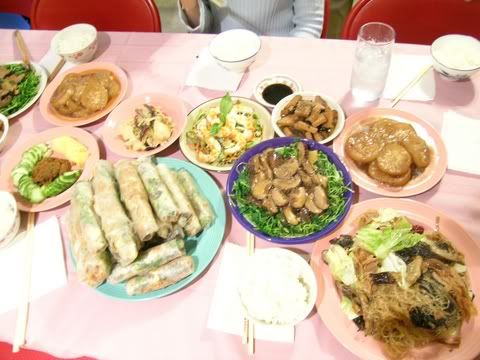
Besides all of the sweets, we need consume savory dishes to “balanced” out the yin and the yang right? By tradition, my family are Buddhist vegans on the first day of new years. This means no only meats and animal products are a no no but garlic, onions, chives, leeks are also not acceptable. Although it might seem next to impossible to cook anything savory and tasty without the ingredients mentioned above it’s actually not that hard….once you get the hang of it. Just think creatively and anything is possible. So here are the vegan dishes we enjoy on first day.

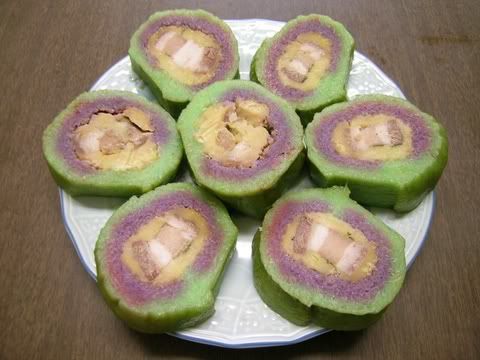
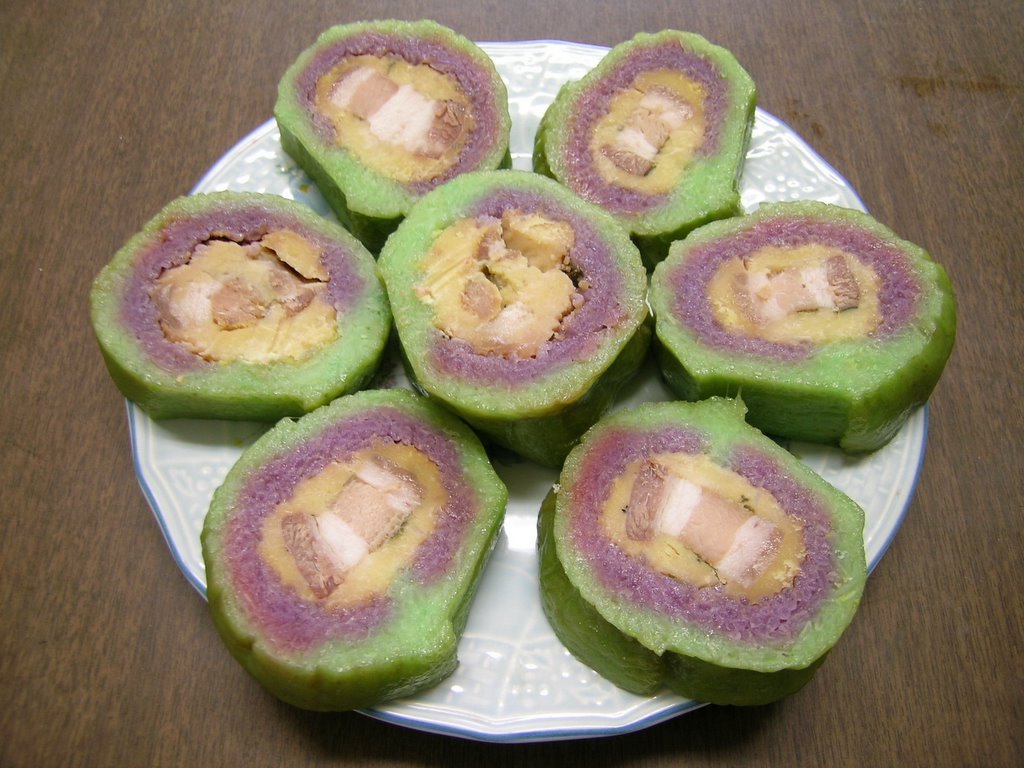
Vegetarian 3 color Bánh Tét
Recipe


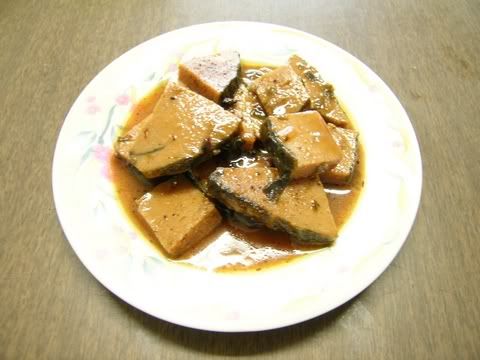
Cá Kho Tộ Chay (Vegetarian Fish in Coconut Caramel Sauce)
Recipe

Gỏi Bạc Hà Chay (Vegetarian Taro Stem Salad)
Recipe

Kiểm (Vegetarian Pumpkin Stew)
Recipe

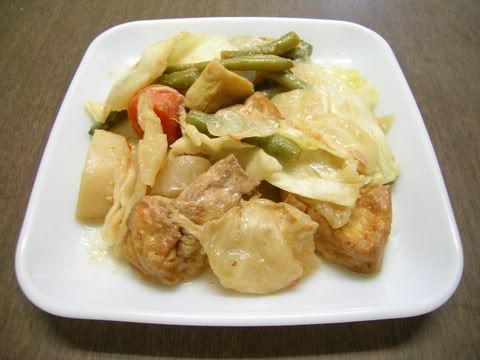
Rau Cải Kho Nước Dừa (Vegetarian Braised Veggies with Coconut Milk)
Recipe


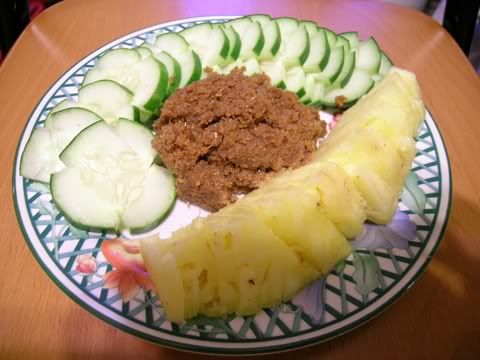
Mắm Ruốt Xào Xả Ớt Chay (Vegetarian Shrimp Paste/Belachan with Lemongrass)


Đồ Xào Chay Gia Truyền (Traditional “Family Recipe” Stir Fry) Recipe

**Non-vegetarian dishes to celebrate the rest of new years.**


Canh Khổ Qua (Bittermelon Soup)
Recipe


Thịt Kho Nước Dừa (Braised Pork in Coconut Juice with Eggs and Bamboo Shoots)
Recipe


Dưa Giá (Pickled Bean Sprouts)
Recipe


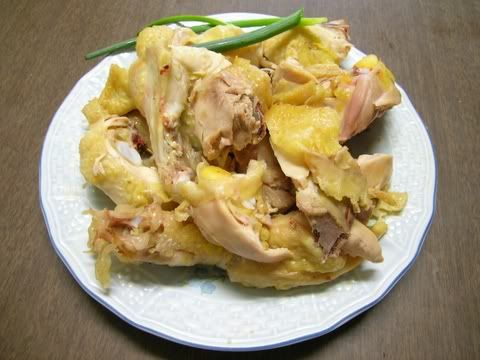
Gà Luộc Chặt (Boiled Chicken)
Recipe


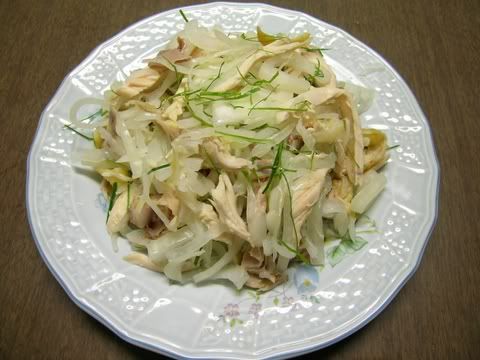
Gà Xé Lá Chanh (Shredded Chicken with Lime Leaves)

A “must have” for Tat; there are many versions of Bánh Tét from sweet to savory. This is the Buddhist style vegan version made especially for enjoying on the first day of tết.

Ingredients:
-5lbs sweet rice (glutinous rice)
-2lbs mung beans (peeled and split)
-1-2lbs banana leaves
-pandan leaves or extract
-lá cẩm leaves or violet color
-salt, sugar, pepper
-2 cans coconut milk (800ml total)
-vegetarian meat
-3 tbs soy sauce

Getting Ready:
Cut meat into thin strips and marinate with soy sauce, pepper, some sugar, salt, and a hint of 5 spice.

Cut leaves into approximately pieces that are approximately 12-15 inches. Wash and wipe dry.

Wash and soak rice in water for a few hours. Drain and divide rice into 2 portions, add pandan juice or extract into one portion. Add lá cẩm juice or violet color into the other portion. Stir fry the rice separately (by color) while gradually adding coconut milk until “sticky”.

Wash, soak, cook, and mash mung beans, add salt, sugar, and pepper to taste.

Take a strip of “meat” and wrap with the prepared mung beans. The wrap with a layer of violet rice.

Assembling the Rice Cakes:
Layer a few layers of banana leaves on a flat surface; make sure the leaf grains are crisscrossed.

Layer green pandan rice onto the center of the leaves, add the ‘filling’ (prewrapped log of meat that was wrapped mung beans and violet rice). Using both hands pull 2 edges of the leaves up to gather the rice around the ‘filling’, add more rice on top of necessary to entirely cover the filling log.

Fold the edges over each other to form a long log. Carefully fold the edges of the other two sides over each other (like wrapping a present). Tie with kitchen twine. Boil for at least 5 hours; remove immediately remove and soak in cold water for a night. Next morning remove from water wipe dry and let the cake age for a day before serving.

To Serve:
Either serve as is with sugar or dưa món (veggies pickled in fish sauce) or fried with sugar and day món.

Note:
The cake should be wrapped and tied tightly to ensure the final result will not be “soggy”. However, if wrapped or tied too tightly, the cake might not be cook fully (the rice won’t have room to “expand”).

If you have never made bánh tét before I suggest working with only one color of rice for the ‘experience’ as wrapping is one of the hardest and most important part of making bánh tét.

Other versions include:
Sweet mung beans:
Omit meat, mix beans with sugar to taste.

Non-vegan (with real meat):
Use pork belly and marinate with fish sauce, garlic, shallots, pepper, and a hint of 5 spice powder.

Banana:
Add boiled black beans to the rice. Marinate banana with a little sugar for a few hours before wrapping.

***Because my vegetarian dishes are prepared with “Buddhist Laws” in mind; besides not using meats and animal products, I do not use garlic, onions, leeks, chives, or any type of alcohol. However, if your main goal in being vegan cooking is to just avoid meats, feel free to add the any of the mentioned above to spice up you dishes.***
Any strict Buddhist would look down upon creating ‘imitation’ meat. However, I feel being able to create “meat” from ordinary ingredients as flour and starches is an art worthy of showing off. A vegetarian can create meat from non meat ingredients but a carnivore can not create a “vegetables” from meat right? Just goes to prove how creative and efficient us vegetarians are!

For the “Skin”:
-100g tapioca starch
-30g flour
-30-50g water or vegetable stock

*Mix everything together to form a thick batter.

For the “Fat”:
-100g glutinous rice flour
-50g rice flour
-75g water or vegetable stock

*Mix everything together over the stove to form a thick batter.

For the “Meat”:
-150g gluten flour
-100g bread crumbs
-100-150g water or vegetable stock (approximate).

*Mix everything together to form a spreadable dough.

What to Do:
Grease a square cake pan with some oil. Add skin batter and steam until transparent. Spread on “fat” and “meat” alternatively. Press firmly and steam of 30-45 min. Cool the meat completely in the mould before carefully removing.

Note:
If you don’t have the time; you can purchased premade meats from most well stocked asian grocery store.

***Because my vegetarian dishes are prepared with “Buddhist Laws” in mind; besides not using meats and animal products, I do not use garlic, onions, leeks, chives, or any type of alcohol. However, if your main goal in being vegan cooking is to just avoid meats, feel free to add the any of the mentioned above to spice up you dishes.***

An easy to make salad bursting with flavors.

Ingredients:
-1/2 chicken
-1 ½ large onion
-6 kaffir lime leaves
-4 tbs sugar
-3 tbs vinegar
-1 tsp salt

What to Do:
Steam or boil chicken cool and shred meat into small pieces. Slice onions and marinate with sugar, salt and vinegar until soft and wilted, squeeze out excess juices. Finely chop lime leaves. Mix everything together and serve with fish sauce.

Gà Luộc Chặt is basically just boiled chicken, served with fried shallot infused soy sauce. Perfect with a bowl warm rice on a rainy day. This dish is usually served during new years because boiled chicken is commonly used as an offering to the gods and ancestors. However, having this dish turn out the right way is not easy. The chicken’s skin should be golden yellow and the flesh must be cooked just right; sill a little pinkish towards the bond. Yeah I know… salmonella… bird flu…. Then again the flesh should be SLIGHTLY pinkish so be reassured, by this stage anything harmful is probably pretty much all dead anyways. If you’d rather be safe than sorry than go ahead and cook the chicken “well done”, after all it is you chicken right? As for me, I’ll take my chances……bird flu is not that big in the US anyways. What about salmonella? I’m too young to worry about it, ask me again in another 40 years or so and hopefully by then I’ll change my mind ;).

Ingredients:
-1 chicken about 4-5 lbs
-enough water to cover the chicken
-1 tsp salt

What to Do:
Clean and dry chicken. Add chicken into a pot with salt and water. Bring the water to a boil. Start timing when the water boils, simmer for 6-8 mins per pound of chicken. “Turn” the chicken half way through. When done, using a bamboo skewer, pierce the chicken where the bottom breast meets the tights to allow the fat to float to the surface. Allow all of the fat to flat to the surface before slowing removing the chicken (so that the fat will add a nice shiny golden touch to the chicken). Cool and chop into bit size pieces.

Dipping Sauce:
-2 chilies (optional)
-3 tbs fried shallots
-4 tbs soy sauce

*Chop chilies and shallots, add soy sauce and mix well.

Ingredients:
-2lbs pork belly or shoulder
-5 eggs
-5 cloves garlic
-2 green onions
-3 tbs fish sauce
-4 tbs sugar
-1 tbs coconut milk or water
-coconut juice or water
-salt to taste
-bamboo shoots (optional)

What to Do:
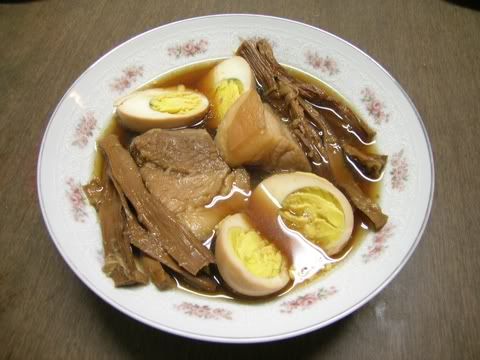
Cut pork into small ‘chunks’. Boil and peel eggs. Crush and mince garlic and onions. Boil together coconut milk and sugar until golden brown; add garlic and onions give it a quick stir before adding pork and fish sauce. Lastly, add eggs and coconut juice. Simmer until pork tender add salt to taste. Add bamboo a few mins before serving. Serve with fresh herbs and dưa giá (pickled bean sprouts).

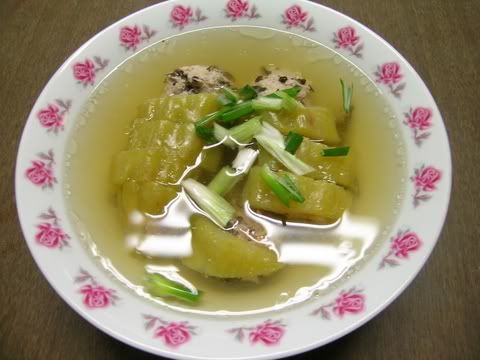
The Vietnamese name for Bitter Melon is “Khổ Qua”. Khổ means “hardship” and Qua means “over”. Together Khổ Qua means “hardship is over” thus, Khổ Qua is always served during new years so that all of the hardship can be swallowed allowing one to expect an easy going year to come.

Ingredients:
-Approximately 2 lbs bitter melon
-1lb ground pork
-100g dried woodear mushrooms
-1 small bundle cellophane noodles (approx. 30g)
-3/4 tsp fish sauce (more to taste)
-1/2 tsp sugar
-1 tsp pepper
-cilantro
-green onions

What to Do:
Wash bitter melon and cut in half or thirds, remove seeds. Soak woodear mushrooms in water until soft cut into thin strips. Cut cellophane noodles into short strands. Mix together mushrooms, noodles, pork, fish sauce, sugar and pepper. Stuff filling into bitter melons pieces. Bring a pot to water to a boil, add bitter melon and 2 tbs fish sauce. Simmer until bitter melon is tender, add fish sauce to taste. Garnish with chopped green onions and cilantro.

Note:
Fish sauce helps make the bitter melon not bitter, if you prefer a slightly bitter taste use salt instead of fish sauce.

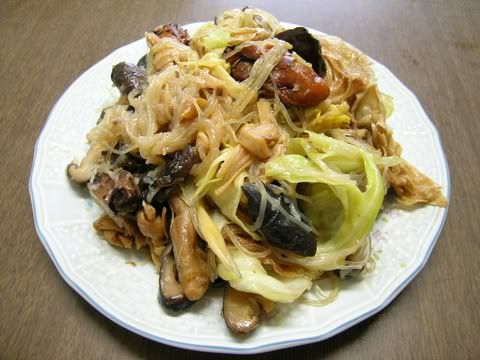
This is a Hakka style stir fry (my grandma was hakka). The recipe has been passed down for generations in my family and is a must have during new years. For some reason eating oysters is allowed in this style of vegetarianism. I have been told by some people that eating anything that does not have red blood is considered vegetarian thus, oysters are allowed. I have seen Chinese Buddhist temples use dried oysters as an offering so I assume its ok. However, Vietnamese Buddhist strictly disapprove of consuming any form of meat even dried oysters. To eat or not to eat? It’s up to you.

Ingredients:
-50g each: dried lily flower, shitake mushrooms, woodear mushrooms
-100g dried oysters
-20g each: dried bean curd sheets, cellophane noodles
-150g cabbage
-salt, and sugar to taste

What to Do:
Soak lily flowers, mushrooms, oysters and noodles in water separately, until soft and expanded. Remove from water, save the soaking water from oysters and shitake mushrooms. Knot lily flowers and pinch off stems. Cut cabbage into bite size pieces. Heat a wok with 1 tbs oil add shitake mushrooms and oysters along with some water from the oyster to cover. Cook until water evaporates almost completely. Add lily flowers, woodear mushrooms, noodles, cabbage and bean curd. Add in the liquids that were saved earlier (just enough, you can add more later… adding too much will make the noodles soggy). Stir fry over high heat until noodles are transparent and cabbage is wilted. Add salt and sugar to taste.


Ingredients:
-100g each: bamboo shoots, cabbage, daikon radish, green beans, carrots
-100g bittermelon (optional)
-300g fried tofu
-1/2 can coconut milk
-water or coconut juice
-soy sauce, salt, and sugar to taste

What to Do:
Cut everything into bite size pieces and add to a large pot except tofu. Add enough water to cover veggies (water and veggies should be at the same level). Cook until veggies are tender, add tofu, coconut milk, soy sauce, salt and sugar to taste. If using bittermelon boil bittermelon separately for 5 mins before cooking with the other veggies.


Ingredients:
-1 can coconut milk
-300-400g pumpkin
-50g lotus seeds
-20g nấm mèo (dried woodear mushrooms)
-100g bột khoai (tapioca strips)
-100g sweet potatoes
-2 plantain bananas (optional)
-50g peanuts
-salt and sugar to taste

What to Do:
Soak woodear mushrooms, lotus seeds and tapioca strips in water until soft, drain water. Cut pumpkin, bananas and sweet potatoes into bite size pieces. In pot boil together pumpkin, potatoes, and lotus seeds until slightly tender, add mushrooms, peanuts and bananas. Cook for 15 mins more, add coconut milk and tapioca strips, and bring stew back to a boil. Add sugar and salt to taste. Although a savory dish, this stew should taste slightly sweet.